
Restore or Replace? How to Decide If Furniture Is Worth Saving
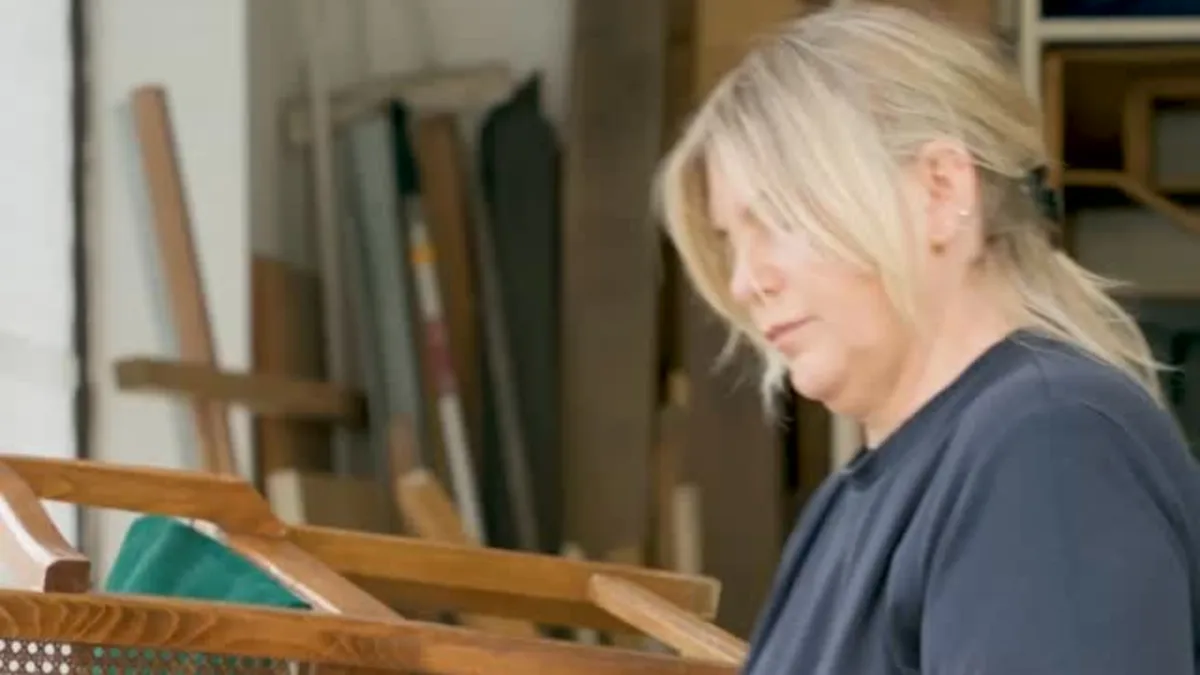
Some furniture looks finished when it is really asking for the right process. A worn surface, loose handle or dated colour can hide a sound piece that still has years of use left in it. BLD Academy's Restore With Purpose video shows the appeal clearly: restoration turns curiosity into practical skills while giving an existing object another chance.
The harder question is whether a particular piece is worth restoring. The answer is not based on age alone. You need to consider structure, materials, the type of damage, what the piece means to you and whether the finished result will suit your home and daily life.
Start with the structure, not the surface
Scratches and faded finish attract attention, but the frame tells you much more. Gently test the piece on a flat floor. Look for movement at joints, cracks around load-bearing areas, warped panels and missing components. Open doors and drawers, sit on chairs only if they appear safe, and check whether the piece stands square.
A loose joint can often be repaired. A frame that is badly twisted, repeatedly broken or weakened across several areas is a more demanding project. Beginners should favour pieces where the main structure remains sound and the repairs are easy to see and understand.
Six questions that reveal whether restoration is worthwhile
- Is the main structure sound? One or two loose joints may be manageable; widespread movement or major cracks require more skill.
- What is it made from? Solid timber often offers more repair and refinishing options than thin veneer or heavily damaged composite board.
- Is the damage active? Moisture, mould or insects must be understood and resolved before cosmetic restoration begins.
- Can missing parts be matched or replaced? Hardware, mouldings and unusual fittings can affect the time, cost and authenticity of the repair.
- Will you use it afterwards? A beautiful restoration is still poor value if the piece does not fit your space, needs or lifestyle.
- Does it have personal or design value? Family history, unusual craftsmanship or a shape you genuinely love may justify effort that a simple price comparison does not capture.
Old does not automatically mean valuable
Age can add interest, but it does not guarantee financial or historical value. If you suspect a piece may be an antique or have an important maker, get specialist advice before stripping, sanding or replacing original parts.
Good candidates for a first restoration project
A first project should be large enough to teach a complete process but simple enough to finish. The best candidates have accessible surfaces, straightforward construction and limited damage.
- A solid wooden stool or side table with a tired finish.
- A simple dining chair with one clearly identified loose joint.
- A small shelf, box or bedside table with complete hardware.
- A piece with superficial scratches, water rings or worn wax rather than deep structural damage.
- Furniture you can transport, turn over and work around safely.
When to pause or call a specialist
Knowing when not to continue is part of restoration skill. Stop and seek advice when you find damage that could affect health, safety or the value of the piece.
- Signs of active wood-boring insects, extensive mould or unresolved moisture.
- A chair, table or cabinet whose main structure could fail during normal use.
- Large areas of lifting or missing veneer that require specialist matching.
- Complex upholstery, springs or fillings of uncertain age and condition.
- Possible antique value, a maker's mark or an original finish worth preserving.
- Old coatings or materials that may require professional testing and controlled removal.
Restoration, repair or upcycling?
These terms overlap, but the intention helps you choose the right approach. A repair returns function to a damaged area. Restoration aims to preserve the piece while addressing wear and damage. Upcycling gives an existing object a new appearance or purpose, often with more freedom to change colour, hardware or use.
None is automatically better. A well-made vintage chair may deserve a restrained restoration. A plain cabinet with no special value could be an ideal upcycling project. A loose but otherwise attractive table may only need a careful repair and refreshed finish. Our full guide to furniture restoration versus upcycling helps you choose the right approach before making irreversible changes.
Think about the total cost, not only the furniture
Restoration uses time, workspace, tools and consumable materials. List what you will need before starting: cleaners, abrasives, adhesives, replacement hardware, colour, finish and protective equipment. Then compare that investment with the quality of the piece, the cost of replacing it and the value of the skills you will learn.
For many beginners, the learning is part of the return. A manageable restoration project develops assessment, planning, careful tool use and finishing skills that transfer to future furniture and home-improvement work.
A quick decision checklist
- The main structure is sound or needs only a clear, manageable repair.
- You understand the basic material and surface you are working with.
- There are no unresolved signs of moisture, mould or insects.
- The piece will fit your space and have a real use after restoration.
- The project suits your current skill, tools, workspace and available time.
- You are comfortable getting specialist advice before irreversible work.
If most of those statements are true, you probably have a promising project. The next step is learning a controlled process rather than reaching immediately for the coarsest sandpaper. Our guide to what happens in a beginner furniture restoration workshop explains that process from assessment to finish.
Have a piece you would like to restore? Ask BLD Academy about current furniture restoration workshops and whether your project is suitable for a beginner session.
Ask about restoration workshops