
Furniture Restoration vs Upcycling: Which Approach Is Right?
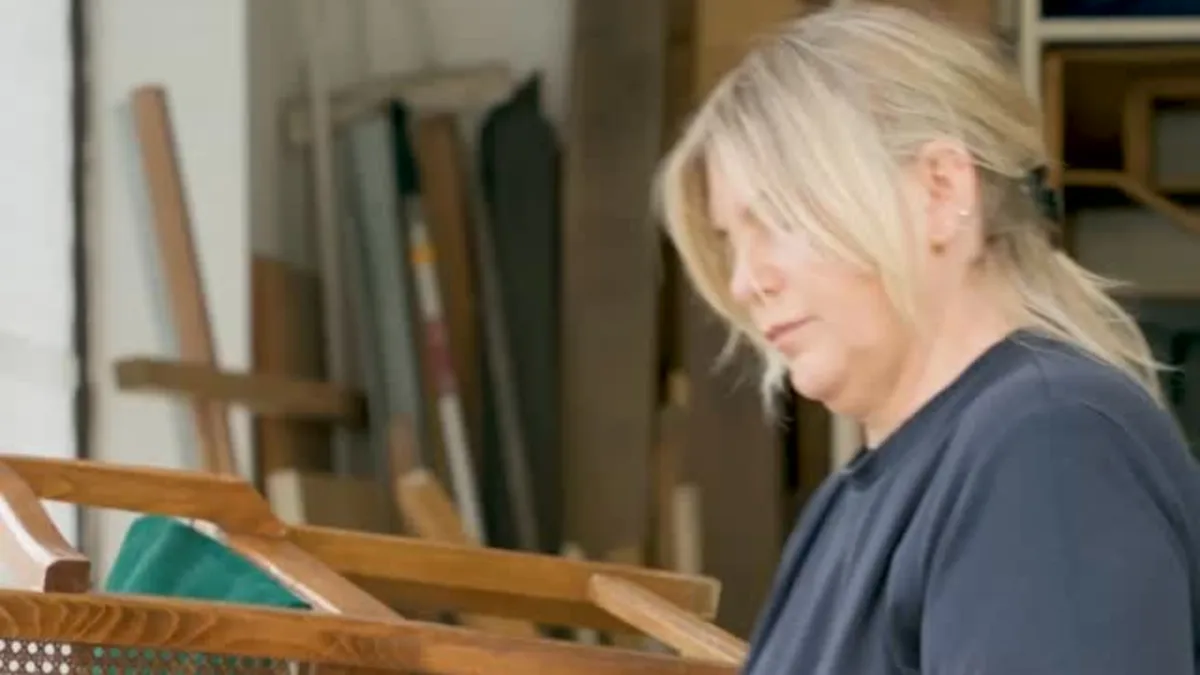
Furniture restoration and furniture upcycling both give existing pieces another life, but they begin with different intentions. Restoration asks how much of the original piece can be understood, repaired and preserved. Upcycling asks how the piece can be changed to become more useful, more personal or better suited to a new setting.
The difference matters because it affects every decision that follows: whether to keep an old finish, replace hardware, change the colour or alter the function. Choosing the approach before you start helps avoid irreversible work that conflicts with what makes the piece worth keeping.
What is furniture restoration?
Restoration aims to return a piece to sound, useful condition while respecting its original materials, construction and character. It does not necessarily mean making furniture look brand new. Age, patina and small signs of use may be part of the story rather than defects to erase.
- Cleaning a surface carefully without removing an original finish.
- Repairing loose joints using a method compatible with the construction.
- Replacing missing hardware with something that matches the period and proportions.
- Refreshing wax, oil or another existing finish after testing compatibility.
- Preserving useful marks of age while stabilising damage that could worsen.
What is furniture upcycling?
Upcycling gives an existing object a different appearance, purpose or value through deliberate redesign. The original construction still provides the starting point, but the maker has more freedom to introduce colour, new materials, different hardware or a new use.
- Painting a plain bedside table to suit a new interior.
- Turning an unused cabinet into practical storage for a different room.
- Changing handles, legs or internal fittings to improve function.
- Combining parts from more than one unwanted item into a useful new piece.
- Adding a creative finish where there is no valuable original surface to preserve.
The simplest way to tell them apart
Restoration works with the original identity of the furniture. Upcycling gives the furniture a new identity.
A project can contain both. You might restore the frame and joints of a chair, then choose a new fabric that makes it useful in your home. You could repair a small cabinet using traditional methods, then paint it because the original surface has no special value and the new colour gives it a clear purpose.
Five questions to choose the right approach
- Does the piece have historical, maker or family significance? If so, begin conservatively and seek specialist advice before changing original surfaces.
- Is the original material worth showing? Attractive timber, veneer, joinery or hardware may make restoration more rewarding than covering everything.
- How damaged is the existing finish? A recoverable finish suggests restoration; a poor-quality or already altered surface may allow more creative freedom.
- What will the furniture do next? A change of purpose may require upcycling, while returning it to its original use may suit restoration.
- Which result will you still want in several years? Trends change quickly, so choose a transformation that suits the piece and your home rather than a single photograph online.
Check before making irreversible changes
Sanding through veneer, stripping an original finish, cutting the frame or discarding unusual hardware can permanently reduce the integrity of a piece. When its age or value is uncertain, assessment comes before creativity.
When restoration is usually the better choice
- The piece is well made and retains useful original materials or details.
- Its appearance, history or craftsmanship is the main reason you value it.
- The damage is repairable without disguising the whole surface.
- You want to return it to the same function and preserve its character.
- There may be antique, design or maker value that needs careful treatment.
When upcycling may be more appropriate
- The furniture is common, sound and useful but does not suit your space.
- The original finish has already been replaced or has little value to preserve.
- A new purpose will prevent a practical piece from being discarded.
- You want a creative beginner project with room to experiment.
- The planned changes will not hide serious structural or material problems.
Both approaches begin with the same practical skills
Whether you restore or upcycle, the strongest results begin with assessment, safe dismantling, sound repairs and careful preparation. Paint cannot stabilise a loose joint, and new handles cannot correct a twisted frame. Learning the process helps you make creative choices that last.
If you are new to the subject, start with our guide to what happens in a beginner furniture restoration workshop. You can also use the practical checklist for deciding whether a piece of furniture is worth restoring before committing to a project.
Want to learn how to assess, repair and transform furniture with guidance? Ask BLD Academy about current adult furniture and DIY workshop availability.
Ask about hands-on workshops