Five Plumbing Skills Every Dubai Homeowner Should Understand
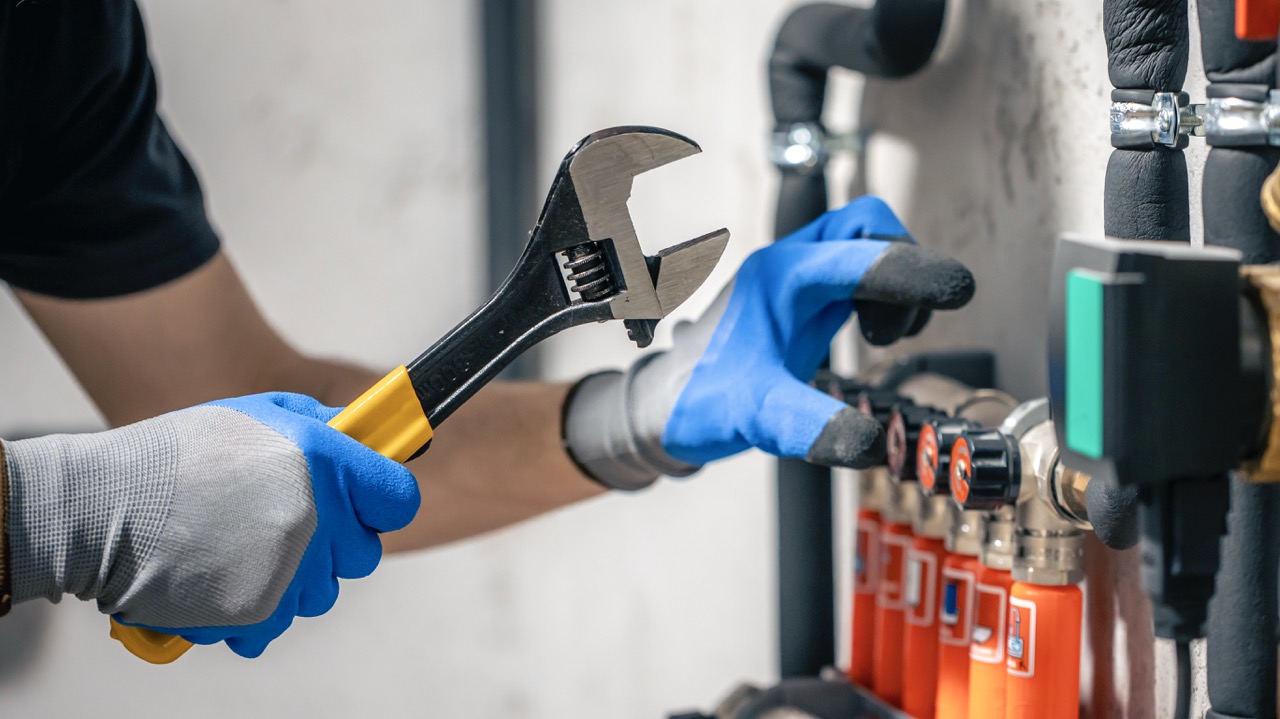
Plumbing problems rarely arrive at a convenient time. A dripping tap, slow drain or running cistern may begin as a small irritation, while an uncontrolled leak can damage cabinets, floors and neighbouring property surprisingly quickly. Homeowners do not need to attempt every repair, but they should understand how the system works well enough to respond safely and explain the problem clearly.
The following skills are valuable because they improve judgement as much as tool use. They help you reduce immediate risk, recognise common components and decide whether a task is suitable for supervised practice or needs an experienced professional.
1. Isolating the water supply
Before attempting even a minor plumbing task, you need to know how to stop the relevant water supply. Learn where the main shut-off and local isolation valves are, which direction closes them and how to check that the flow has stopped. Valves should be identified before an emergency rather than discovered while water is escaping.
- Locate and label accessible isolation points in advance.
- Understand whether a valve controls one fixture, one area or the whole property.
- Open and close valves gently; forcing a seized valve can create a second problem.
- Know the building or facilities contact for supplies you cannot isolate yourself.
2. Understanding why taps drip
A dripping tap may involve a washer, cartridge, valve seat, seal or loose connection depending on the design. The practical skill is not memorising one repair for every tap. It is learning to identify the tap type, isolate it, dismantle components in order and match any replacement part accurately.
This prevents the common mistake of applying more force when the real problem is the wrong component or an overlooked retaining screw. It also teaches you to protect decorative surfaces and test the repair gradually after reassembly.
3. Checking traps and slow drains
The removable trap beneath a sink catches debris and maintains a water seal that helps prevent drain odours. Homeowners should understand its purpose, recognise where leaks commonly appear and know that repeated blockages or odours may point to a problem further along the system.
- Protect the area and contain residual water before opening a removable component.
- Observe how seals and washers are positioned rather than guessing during reassembly.
- Avoid combining drain chemicals or using an unknown chemical before dismantling pipework.
- Escalate recurring, widespread or inaccessible drainage problems rather than repeatedly treating the symptom.
4. Recognising fittings, joins and sealants
Pipe material, diameter and fitting type determine how a connection should be made. Compression fittings, threaded connections, push-fit systems and solvent-welded pipework are not interchangeable. Learning to identify them helps you choose the correct tools, seals and replacement components.
Sealant is not a substitute for the right joint
Adding tape, adhesive or silicone to an incorrectly assembled connection may hide the problem temporarily without creating a sound repair. The fitting, seal and method must be designed to work together.
5. Understanding a toilet cistern
A cistern contains a small number of components that control filling and flushing. Learning the role of the inlet or fill valve, float, flush mechanism, overflow and seals makes symptoms easier to interpret. Constant filling, weak flushing and water entering the bowl can have different causes even when they sound similar.
A practical course lets you work with these components where they can be seen clearly, rather than leaning over an installed cistern and changing parts without understanding the sequence.
The sixth skill is knowing when not to DIY
Call a professional for major or hidden leaks, recurring drainage failures, suspected contaminated water, work affecting shared building systems, extensive pipe alteration, inaccessible services or any situation you cannot isolate safely. Building rules, insurance conditions and landlord responsibilities may also determine who is permitted to carry out the work.
- Water is escaping near electrical equipment or wiring.
- The main supply or relevant valve cannot be isolated.
- Damage is inside a wall, ceiling, floor or shared service area.
- The same fault returns after a straightforward component repair.
- There is sewage, widespread odour, discoloured water or a health concern.
Why hands-on plumbing training matters
Plumbing is learned through touch as well as explanation: how tight a fitting should feel, how a seal sits, how components line up and how to test a joint gradually. Supervised practice gives you space to repeat those details without learning for the first time during a leak at home.
BLD Academy's plumbing course in Dubai covers water supplies, taps, pipe joins, drains, cisterns, tools and safe working limits in small practical groups. If you want to sample several home-maintenance areas first, compare the DIY taster workshops.
Learn to diagnose common plumbing problems and practise with real fittings before the next issue appears at home.
Explore the plumbing course